
THC vapes have become one of the most popular ways people consume cannabis in states and countries where it’s legal. These devices heat cannabis oil or concentrate to a temperature that releases vapor without combustion, offering a different experience compared to traditional smoking methods. As legalization spreads and technology improves, THC vapes continue to Thc Vapes attract both new and experienced cannabis users looking for convenience, discretion, and control over their consumption.
What Are THC Vapes?
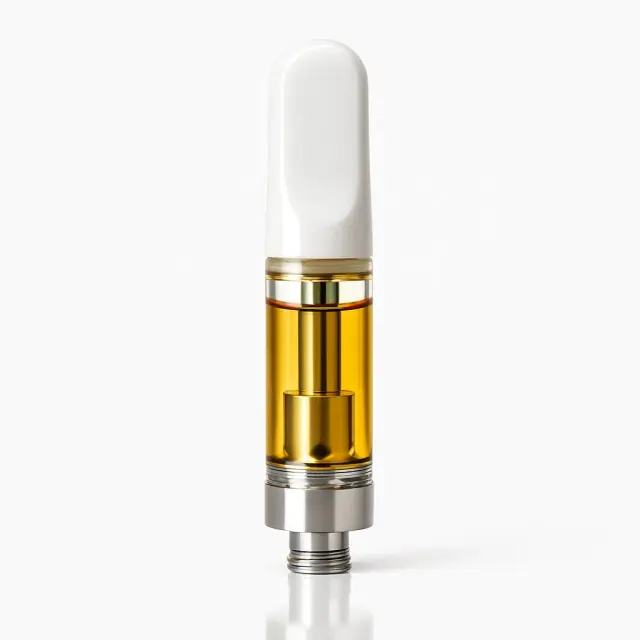
THC vapes are battery-powered devices that heat cannabis oil, distillate, or concentrate until it turns into an inhalable vapor. Unlike smoking dried flower, vaping doesn’t involve combustion, which means users avoid inhaling smoke and some of the byproducts associated with burning plant material. Most THC vape products come in one of two forms: disposable pens that are used until the oil runs out and then discarded, or rechargeable devices that use replaceable cartridges filled with THC oil.
The oil inside these cartridges is typically extracted from the cannabis plant using solvents like CO2 or butane, then refined to isolate cannabinoids like THC. Manufacturers often add terpenes, either naturally derived from cannabis or reintroduced after extraction, to enhance flavor and aroma while also influencing the overall effects through what’s sometimes called the entourage effect.
How THC Vapes Work
The mechanics behind THC vapes are fairly simple. A small heating coil, known as an atomizer, warms the oil inside the cartridge to a specific temperature. This heat converts the liquid into vapor, which the user then inhales through a mouthpiece. Most devices are activated either by drawing on the mouthpiece, which triggers an automatic sensor, or by pressing a button to engage the heating element manually.
Temperature control plays an important role in the vaping experience. Lower temperatures tend to preserve more of the flavor and subtle effects of the terpenes, while higher temperatures can produce a stronger, faster-hitting sensation but may also degrade some of the more delicate compounds in the oil.
Popularity and Appeal
Several factors have contributed to the rising popularity of THC vapes. Portability is a major draw. Vape pens are small, easy to carry, and simple to use, making them convenient for people who want to consume cannabis without carrying flower, rolling papers, or bulky smoking accessories. The vapor produced also tends to dissipate faster than smoke and often carries a less noticeable smell, which appeals to users who value discretion.
Dosing consistency is another reason people gravitate toward vapes. Because cartridges are manufactured with standardized THC concentrations, users often have a clearer sense of what they’re consuming compared to smoking flower, where potency can vary from batch to batch. This predictability appeals to both recreational users looking for a specific experience and those using cannabis for symptom management.
Legal Status and Regulation
The legal status of THC vapes varies significantly depending on location. In regions where cannabis is legal for recreational or medical use, THC vape products are typically sold through licensed dispensaries and subject to testing requirements that check for contaminants, accurate potency labeling, and product safety. These regulations are designed to give consumers more confidence in what they’re purchasing.
In places where cannabis remains illegal or only partially legal, unregulated THC vape products can circulate through unofficial channels. These unregulated products carry additional risks, since they haven’t been tested for harmful additives or contaminants. Consumers are generally encouraged to purchase THC vape products only from licensed and regulated sources when legally available, both for safety and to support proper oversight of the industry.
Health Considerations
As with any cannabis product, THC vapes come with health considerations that are worth understanding. Vaping is often perceived as a “cleaner” alternative to smoking since it avoids combustion, but that doesn’t mean it’s without risk. Concerns have been raised in the past about additives, such as vitamin E acetate, that were linked to serious lung injuries in cases involving unregulated vape products. This underscores the importance of sourcing products from tested, licensed suppliers rather than unregulated markets.
People with respiratory conditions, those who are pregnant, and individuals with a history of substance use concerns are generally advised to speak with a healthcare provider before using any THC product. As research on long-term vaping effects continues to develop, staying informed through credible, updated sources remains important.
Final Thoughts
THC vapes offer a convenient, discreet, and often more consistent way to consume cannabis compared to traditional smoking. Their growing popularity reflects broader trends in cannabis culture, where convenience and product transparency are increasingly valued. That said, the safest way to use THC vapes is to purchase from licensed, regulated sources wherever legally possible, stay informed about product ingredients, and consult a healthcare professional with any questions about how cannabis use might affect your individual health. As laws and research continue to evolve, being an informed consumer remains the best approach to making decisions about THC vape products.