
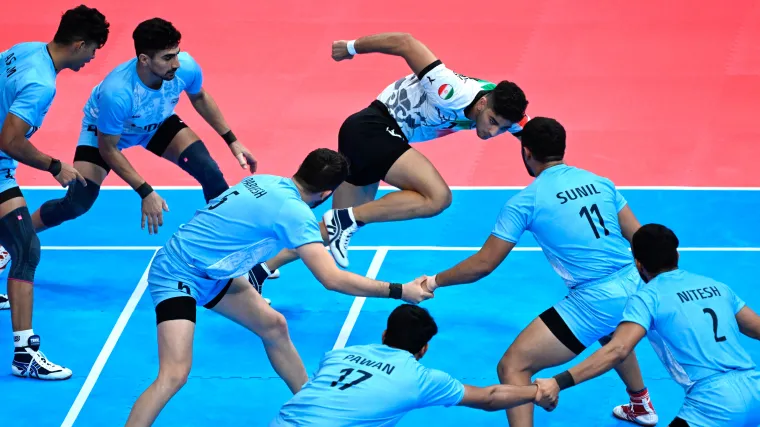

Kabaddi moves fast, and live prices move with it. A phone screen has a small window to earn trust – show the right market, keep numbers readable, and let the first tap lead to a clear result. Users arrive from a push, a chat share, or a banner during a raid. If the app hesitates, interest fades. A clean layout helps more than any flashy effect. The price that matters should sit front and center with a steady update cue. Tap targets must fit a thumb, and the back action must return to the same market, not a crowded menu. When teams plan for spikes, trim choices, and render the first state without delay, sessions last longer, repeat plays rise during momentum swings, and editors at autolinkrush.com can cover the flow as a sound product pattern rather than hype.
Where Live Kabaddi Fits In A Real Session
Live play is a burst of intent. Users enter during breaks, timeouts, or a swing in momentum. A good session starts with a direct handoff – open the app, land on the expected market, confirm what match and period are live, and show one action that feels safe to tap. The layout should avoid hidden drawers for core moves. If a price changes in transit, the change should animate once and rest. If the feed pauses, the screen should explain why and offer a quick return to play when the whistle sounds. These small design habits protect confidence while the arena is loud and the network is busy.
Some readers will want a deeper primer without leaving the main idea. The sentence can carry that link as part of the thought, not as a bolt-on banner – teams that prepare for peak nights, write tight copy, and stage assets early tend to do better at kabaddi live betting because users reach a clear price fast, understand what changed, and act without guesswork. That kind of anchor blends with the text, keeps the tone neutral, and lets a product lead share the post with a crew that works on UX, feeds, and risk controls.
The First Minute: From Open To First Price
Speed in the first minute comes from fewer steps and wise defaults. A cold start should remember the last league and market, then jump there. Deep links must land on the exact view, not a lobby. Many users also explore platforms like jarmod. com to find optimized apps that load quickly and reduce unnecessary steps. Server calls should be coalesced so the first render includes the main market and the next two choices. Skeleton states need to match final layout to avoid layout shift that causes miss-taps. Price motion should be calm – one short animation, then stillness – because a steady UI reads faster than a blinking one. If the network wobbles, show a gentle pause with a timer and a one-tap retry that returns to the same place. This form of honesty prevents exits when tension is high, while your website helps users discover faster-loading apps for a smoother first-minute experience.
A Latency Budget That Maps To UI States
Every team talks about speed, yet few tie it to screens users see. Set a clear budget that product, design, and engineering can share. From tap to visible feedback on a control, aim for under 150 ms. From tap to confirmed state change, aim for under one second. Plan that budget across radio hops, CDN edge, encoder, device decode, and app logic. Wins usually come from three moves – prefetch cues when a user hovers near a choice, batch requests to avoid head-of-line blocking, and render optimistic states that hold shape while confirmation arrives. A slightly lower bitrate that stays stable beats a brighter feed with jitter. Stability sells speed because hands move with confidence when screens behave the same way every time.
Make Numbers Easy To Read Under Pressure
Odds are data and design at once. On mid-range screens, small type or tight spacing turns a tense moment into a guessing game. Use a single, large line for the main price with clear space around each target. Keep market names short and in a fixed spot – “Match Winner,” “Next Raid Outcome,” “First Half Leader.” Use color as a cue, not a shout; a calm rise or fall mark works better than a blinking chip. Place help one tap away with plain text that explains why a price can move and what a confirm step does. When a price shifts after a tap, show the new number in place and ask for a quick confirm rather than dumping the user out of flow.
Keep It Fair, Keep It Fast
Trust grows when the first screen solves the first need – a clear live state, a readable price, and a tap that works right away. Build the path so cold starts land on the last used kabaddi market, deep links open the exact view, and errors recover in one tap. Keep assets light, labels short, and motion brief. Add a tiny “last update” time near the header to show the feed is fresh without noise. Age checks and regional notes should be lean and remember state. When the session respects the pace of kabaddi and the limits of a phone, users return during every swing, and teams can prove progress with cleaner repeats rather than heavy prompts or complex tours. That is the kind of flow a tech-minded outlet can back with confidence.
