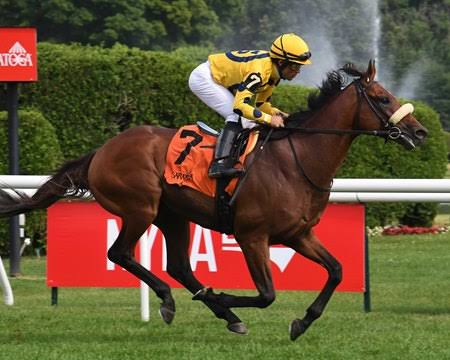

Horse racing is a sport that combines speed, endurance, strategy, and preparation. Every race can be different because horses, jockeys, trainers, distances, and track conditions change from one event to another. For people who enjoy following racing events, having access to useful information can make the experience more engaging. Messi Turf 10 is an online platform dedicated to horse-racing and turf-related topics.
Exploring Messi Turf 10
Messi Turf 10 offers racing-related information for people interested in exploring the world of turf. Following horse racing can involve more than simply checking the winner of an event.
Enthusiasts may look at horses, previous results, jockeys, trainers, race distances, and other available details. Reviewing these factors can provide useful context and help readers understand the different challenges associated with a race.
Understanding Horse Racing
Horse racing has a long tradition and remains popular among sports enthusiasts. Races can take place over different distances and on different types of tracks, creating unique conditions for competitors.
A horse’s previous results can offer useful background information, but past performance cannot guarantee a future result. Each race has its own circumstances, competitors, and challenges.
The unpredictable nature of competition is one of the reasons many people enjoy following the sport.
Getting to Know the Horses
Every racehorse has a unique history. Some have extensive racing experience, while others may be newer competitors.
Fans often examine previous performances to understand how horses have handled different distances and racing conditions. Following a horse across several events can also help enthusiasts become more familiar with its racing career.
However, previous success should always be considered as information rather than a certain forecast.
The Role of Jockeys
Jockeys play an important part in horse racing. During an event, they must control the horse while making decisions about speed, positioning, and timing.
A race can change quickly, requiring jockeys to respond to other competitors and changing circumstances. Their experience and knowledge of the horse can therefore be important elements to consider when following an event.
Understanding the jockey’s role can help spectators appreciate the strategic side of racing.
Trainers and Horse Preparation
Preparation for a race starts well before the horses reach the starting line. Trainers work with horses to develop fitness, conditioning, and readiness for competition.
Training programs can vary depending on the horse’s experience, condition, racing schedule, and upcoming events.
This preparation is an important part of racing and demonstrates how much work takes place behind the scenes before race day.
Track Conditions and Weather
Track conditions can influence how a race develops. Weather, maintenance, and the condition of the racing surface can create different challenges for competitors.
For example, a wet track can provide a different environment from a dry surface. Horses may also have varying levels of experience with specific track conditions.
Considering the condition of the course can therefore add useful context when following a race.
The Importance of Race Distance
Distance is another factor that racing enthusiasts may consider. A short race can emphasize speed and acceleration, while a longer event may require greater endurance and careful pacing.
Comparing the distance of an upcoming event with a horse’s previous races can provide additional background information.
Nevertheless, race distance is only one factor among many and cannot determine the final outcome by itself.
Online Resources for Racing Fans
The internet has made it easier for racing enthusiasts to explore information about horses and racing events. Dedicated platforms can bring together different topics and provide a convenient starting point for research.
Messi Turf 10 can be explored by readers interested in horse-racing and turf content. Online resources can help fans stay informed and learn more about the sport.
It is always advisable to compare information from reliable sources and distinguish factual details from predictions or personal opinions.
Understanding Racing Statistics
Statistics can help racing fans examine previous performances. Finishing positions, race history, jockey information, and other available details can provide useful insight into past events.
However, statistics do not guarantee future results. Conditions can change, new competitors can enter the field, and unexpected events can occur during a race.
Using statistics as one part of a broader analysis can provide a more balanced approach.
Responsible Approach to Racing
Horse racing can be enjoyed as a competitive sport and form of entertainment. While predictions and tips may be interesting to read, they should never be treated as guaranteed outcomes.
Weather, tactics, horse performance, and other race-day factors can influence the final result.
A responsible approach is to use racing information to learn more about the sport while keeping realistic expectations about uncertainty.
Conclusion
Horse racing involves many elements, including talented horses, skilled jockeys, experienced trainers, changing track conditions, and different race distances. Understanding these factors can make following each event more informative and enjoyable.
Messi Turf 10 provides an online resource for readers interested in exploring turf and horse-racing information. Whether you are a regular racing enthusiast or new to the sport, learning about horses, jockeys, trainers, and race conditions can help you appreciate the complexity of each competition.
By using reliable information and remembering that racing outcomes are never certain, enthusiasts can enjoy the strategy, preparation, and excitement that make horse racing such an enduring sport.