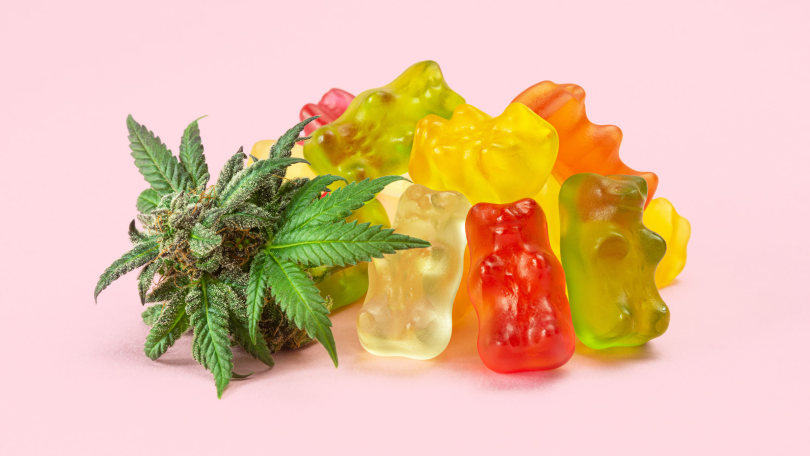

As cannabis becomes more widely accepted for both recreational and wellness use, many people are reconsidering how they consume it. Two of the most common methods—smoking and edible forms—affect the body in very different ways. While both deliver THC, the compound responsible for cannabis’s psychoactive effects, the route it takes through your body can influence everything from lung health to duration of effects. Understanding these differences can help you make a choice that aligns with your physical well-being and lifestyle.
How Smoking Cannabis Affects the Body
Smoking cannabis delivers THC rapidly into the bloodstream through the lungs. This fast absorption explains why effects are often felt within minutes. For some users, this immediacy allows better control over dosage, as they can stop once the desired sensation is reached.
However, combustion comes with trade-offs. Inhaling smoke exposes the lungs to tar, carbon monoxide, and fine particulate matter. While cannabis smoke differs from tobacco smoke, it still irritates the respiratory system. Frequent smoking has been associated with coughing, throat irritation, and reduced lung capacity over time. For individuals with asthma or other respiratory conditions, smoking can aggravate symptoms and create additional strain on the airways.
Another concern is consistency. The amount of THC absorbed can vary depending on inhalation depth, breath-holding, and the potency of the cannabis itself. This variability makes it harder to achieve predictable results, especially for those using cannabis for relaxation or sleep.
How Edibles Interact With Your System
Edible cannabis products, including thc gummies, follow a completely different path once consumed. Instead of entering the bloodstream through the lungs, THC is processed by the digestive system and metabolized by the liver. This process converts THC into 11-hydroxy-THC, a compound that is often described as more potent and longer-lasting.
Because digestion takes time, the effects of edibles can take anywhere from 30 minutes to two hours to appear. While this delayed onset requires patience, it also avoids exposing the lungs to smoke or vapor. For people concerned about respiratory health, this is a major advantage.
Edibles tend to produce longer-lasting effects compared to smoking. While a smoked session may taper off after a few hours, edible effects can last six hours or more. This extended duration can be helpful for sustained relaxation, but it also means users must be cautious with dosage to avoid discomfort.
Impact on Lung and Heart Health
From a purely respiratory standpoint, avoiding smoke is generally considered gentler on the body. Smoking introduces heated particles into the lungs, which can cause inflammation with repeated exposure. Over time, this may impact breathing comfort and endurance.
Edibles remove this concern entirely. Since thc gummies are ingested rather than inhaled, they do not irritate the lungs or airways. This makes them an appealing option for older adults or individuals who prioritize cardiovascular and respiratory wellness.
That said, edibles are not without considerations. Because the effects last longer, accidental overconsumption can increase heart rate or cause anxiety for some users. Starting with a low dose and waiting for full effects is essential.
Dosage Control and Predictability
One of the most debated differences between smoking and edibles is control. Smoking allows for near-immediate feedback, making it easier to stop when you feel satisfied. This can reduce the risk of taking too much at once.
Edibles require more planning. The delayed onset can tempt some users to take additional servings too soon. However, modern packaging and labeling have improved significantly, offering clearly measured doses. With mindful use, thc gummies can actually provide more consistent results once a person understands their tolerance.
Discretion and Lifestyle Considerations
Beyond physical health, lifestyle factors also matter. Smoking produces a strong odor that lingers on clothing and in indoor spaces. This may be inconvenient or undesirable in shared living environments.
Edibles are discreet, portable, and do not draw attention. They also avoid secondhand smoke exposure, which can be important for households with children or pets. From a convenience perspective, thc gummies fit easily into daily routines without requiring special equipment or designated spaces.
Which Option Is Better for Your Body?
The answer depends largely on personal priorities. Smoking offers rapid effects and easy dose adjustment but comes with respiratory drawbacks. Edibles place less strain on the lungs and provide longer-lasting effects, though they demand patience and careful portion control.
For those focused on minimizing impact on lung health, edible options may feel like a more body-friendly choice. For others who value immediate feedback and shorter duration, smoking may still be preferred when used occasionally and responsibly.
Final Thoughts
There is no universal “better” method—only what works best for your body, tolerance, and lifestyle. Understanding how each method affects your system allows you to make informed decisions rather than relying on habit alone. Whether you prefer the immediacy of smoking or the extended effects of edibles, mindful use and moderation remain the most important factors for supporting overall well-being.