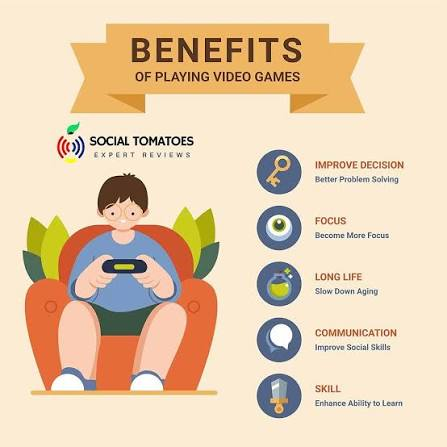

When people hear the word gaming, they often Sanca999 imagine someone sitting alone for hours, staring at a screen. That picture is not always fair. Like any hobby, gaming can be helpful or harmful depending on how it fits into a person’s lifestyle. When enjoyed in moderation, an online game can offer more than simple entertainment. It can challenge the mind, encourage social connection, improve decision-making, and provide a much-needed break from everyday pressure.
Think about the last time you had a stressful day. Maybe work went badly. Perhaps school felt exhausting. Or maybe you simply needed a few quiet moments to yourself. What did you do? For many people, playing a familiar game becomes a simple way to relax and reset. That small break can sometimes make a bigger difference than expected.
How an Online Game Can Support Mental Skills
Many games require players to think quickly. They may need to remember information, solve problems, manage resources, or make decisions under pressure. These activities can encourage mental flexibility.
Imagine playing a strategy game. You cannot simply rush forward without thinking. You need to consider your next move, predict possible outcomes, and change your plan when something unexpected happens. These habits can encourage players to think more carefully in other situations as well.
Puzzle-based games offer a similar experience. They challenge players to recognize patterns and search for creative solutions. Even simple tasks can become mentally engaging when the player must discover the answer independently.
Of course, playing games does not magically make someone smarter. However, regular interaction with challenging tasks can keep the mind active. Just as people enjoy crossword puzzles, reading, or learning a new skill, certain games can provide useful mental stimulation.
Building Patience Through Small Challenges
Have you ever failed the same challenge several times but continued trying?
That experience is more valuable than it may seem. Many games are built around gradual improvement. A player fails, learns what went wrong, changes their approach, and tries again.
Consider a teenager named Hamza who struggles with a difficult level. At first, he becomes frustrated. He keeps making the same mistake. Eventually, he slows down, observes the pattern, and changes his strategy. After several attempts, he succeeds.
That moment teaches an important lesson. Progress does not always happen immediately. Sometimes, improvement comes from paying attention and refusing to give up too quickly.
This mindset can be useful outside gaming. Difficult assignments, challenging projects, and personal goals often require the same patience. The ability to learn from mistakes is one of the most valuable skills a person can develop.
Social Connections Can Grow Through Shared Experiences
Gaming is often described as a solitary activity, but modern experiences can be highly social. Players communicate, cooperate, compete, and build friendships with people from different backgrounds.
A group of friends may meet online after school or work. They may spend an hour working toward a shared goal. During that time, they are not only playing. They are communicating and learning how to cooperate.
Team-based activities can teach players to listen to others. They may need to divide responsibilities, share information, and support a teammate who is struggling. These experiences can strengthen communication skills.
Even casual conversations can create meaningful connections. Someone who feels lonely may find a welcoming community through a shared interest. A simple match or cooperative mission can become the beginning of a long-lasting friendship.
Of course, players should still maintain healthy boundaries and protect their personal information. Good communities are built on respect, kindness, and responsible communication.
A Healthy Way to Take a Mental Break
Life can become overwhelming. People deal with deadlines, responsibilities, family concerns, and countless daily decisions. Taking a short break can help the mind recover.
For some people, gaming provides that escape. It allows them to focus on a different goal for a while. Instead of thinking about an unfinished task, they may concentrate on exploring a new world or completing a challenge.
This does not mean gaming should replace sleep, exercise, work, or real-world responsibilities. Balance remains important. However, a reasonable amount of recreational time can be part of a healthy routine.
Think of it like watching a movie, listening to music, or reading a book. The activity gives your mind a temporary change of focus. When you return to your responsibilities, you may feel more refreshed.
Improving Decision-Making and Quick Thinking
Many games constantly ask players to make choices. Should you move forward or wait? Should you save resources or use them now? Should you follow the original plan or try something new?
These decisions may seem small, but repeated practice can encourage faster thinking.
In competitive situations, players often have only a few seconds to respond. They must observe what is happening, understand the situation, and choose an action. This process encourages awareness and adaptability.
Real life rarely provides perfect information. Plans change. Problems appear unexpectedly. Being comfortable with adjusting your approach can be extremely useful.
The important lesson is not about winning every time. It is about learning to evaluate situations and respond calmly.
Creativity Has Room to Grow
Not every game is about competition. Many experiences encourage creativity and imagination.
Players may design buildings, create characters, decorate spaces, solve problems in unusual ways, or develop their own stories. There may be no single correct answer.
This freedom can be refreshing. A person who rarely gets the opportunity to create something in daily life can suddenly become an architect, storyteller, designer, or explorer.
Creativity does not always appear as a finished masterpiece. Sometimes, it begins with simple curiosity. What happens if I try this? Can I build something better? Is there another way to solve the problem?
Those questions can inspire creative thinking far beyond the screen.
Balance Makes the Difference
The benefits of gaming depend greatly on how it is used. Playing for a reasonable amount of time can be enjoyable and rewarding. Ignoring sleep, responsibilities, relationships, or physical activity is a different matter.
A balanced routine is the key. Set reasonable limits. Take breaks. Move around. Spend time with people away from the screen. When gaming fits comfortably into your life, it becomes a hobby rather than a problem.
So, can regular gaming offer hidden benefits? Absolutely. It can support problem-solving, patience, communication, creativity, and relaxation when enjoyed responsibly.
The next time you pick up your controller or open a game, look beyond the entertainment. You may discover that every challenge, decision, and shared experience is teaching you something valuable. Explore your favorite games mindfully, keep a healthy balance, and you might find more benefits waiting in your next session.